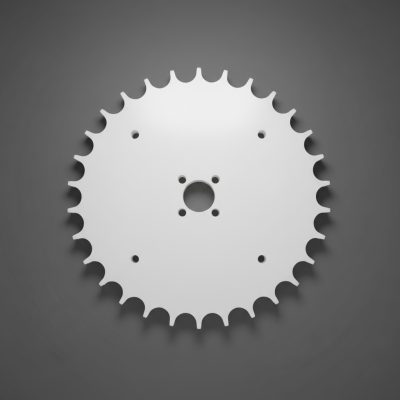
Modifications & Repairs

Repair, modify and improve existing components to extend performance and reduce downtime.

Modifications & Repairs

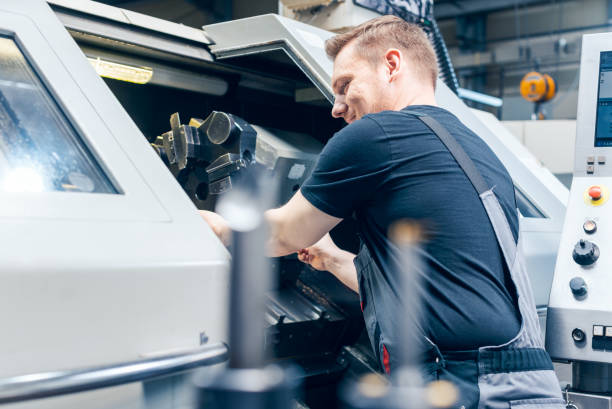
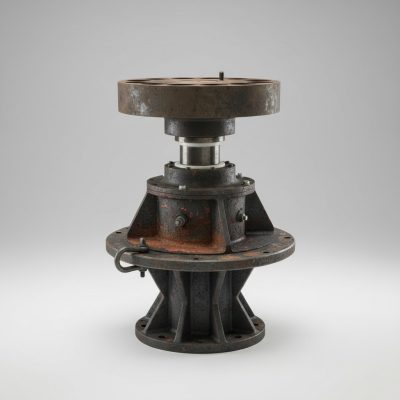
We provide modification and repair services for existing components and machinery, offering a practical and cost-effective alternative to full replacement.

Our focus is on restoring performance quickly and reliably. Where required, we reprioritise work to minimise customer downtime, supporting urgent repairs and time-critical breakdown situations.

From minor alterations to full rework, we assess each component based on its condition and application, ensuring any repair or modification is fit for purpose and aligned with how the equipment is used in practice.

Swipe sideways to view full table on mobile.

Work Type Typical Services Quantity / Scope Typical Lead Time Notes
Urgent Local Support Modifications & Repairs, Precision Engineering, CNC Milling, CNC Turning Usually 1–5 parts From 24 hours* For urgent local jobs where material is available and the work is straightforward. Contact IJF as early as possible to discuss.
Prototype / One-Off Parts Prototype Machining, Bespoke Machinery, Component Development, CAD/CAM Support 1–5 parts 1–2 weeks Depends on complexity, material, design input and whether testing or development is required.
Small Batch Machining CNC Milling, CNC Turning, Batch Production, Precision Engineering 6–25 parts 1–4 weeks Suitable for repeat parts, replacement components or low-volume production runs.
Bespoke Machinery / Assembly Work Bespoke Machinery, Fabrication, Finishing & Assembly Project-dependent Quoted per project Lead time depends on design, manufacture, assembly, testing, installation and commissioning requirements.
Ongoing / Repeat Supply Batch Production, CNC Milling, CNC Turning, Finishing & Assembly Small batch / scheduled supply Agreed schedule Best suited to customers who need repeat parts, call-off supply or planned production support.

*Lead times are indicative and depend on material availability, complexity, capacity and approval times. Urgent work is assessed on a case-by-case basis.

Swipe sideways to view full table on mobile.

Process Max Dimensions / Capacity Notes
Manual Milling Approx. 2m x 1m x 1m Conventional milling capacity for components too large for CNC milling machines.
Manual Horizontal Milling Approx. 1500mm x 400mm bed travel Used for larger horizontal milling work and components requiring manual machining.
Manual Vertical Milling Approx. 1300mm x 500mm x 450mm bed travel Used for larger vertical milling work across a range of component sizes.
CNC Lathe Up to 480mm swing over bed x 2m bed length Suitable for accurate turned components and small batch production.
Manual Lathes Up to 600mm swing over bed x 3m bed length Used for larger turned components beyond CNC lathe capacity.
Horizontal Boring Up to 300mm bore depth Suitable for larger components requiring accurate boring operations.
Drilling 600mm arm radial drilling capacity Used for drilling operations on larger or awkward components.
Slotting Up to 400mm stroke Mainly used for cutting internal keyways.
Surface Grinding 700mm x 250mm bed size Used for flat and angled components requiring a controlled finish.
MIG/TIG/Stick Welding Fabricated structures up to approx. 10m length Supported by overhead gantry crane. Suitable for mild steel and stainless steel fabrication.
Spark Erosion Small component detail work Used for difficult detail, conductive materials and profiles not achievable through standard machining.

Maximum dimensions are provided as a guide only. Capacity depends on component shape, weight, material, access, setup and the machining process required. For larger or unusual components, IJF can advise once drawings or sample parts have been reviewed.

Swipe sideways to view full table on mobile.

Process Typical Tolerance Capability Notes
CNC Milling Drawing-led tolerances Suitable for accurate, repeatable components. Final tolerance depends on geometry, material and setup.
CNC Turning Drawing-led tolerances Well suited for components requiring consistent diameters, concentricity and repeatability.
Surface Grinding Tight tolerance finishing Used where improved flatness, parallelism or surface finish is required.
Manual Milling Standard engineering tolerances Used for larger components or work outside CNC capacity. Tolerances depend on setup and part size.
Manual Turning Standard engineering tolerances Suitable for larger turned components beyond CNC capacity. Accuracy depends on size and machining approach.
Spark Erosion High-detail precision machining Used for conductive materials and intricate internal features not achievable through conventional machining.
Slotting / Keyway Cutting Fit-for-purpose tolerances Tolerances depend on keyway size, fit requirements and mating components.
Fabrication / Welding Fabrication tolerances Influenced by material type, weld process, distortion control and final application.

Tolerances are defined by the component drawing and application requirements. Final achievable tolerances depend on material, geometry, size and the machining or fabrication process used. Specific requirements should be confirmed at enquiry stage.

Swipe sideways to view full table on mobile.

Finishing Process Purpose Additional Information
Hard Anodising Creates a durable oxide layer on aluminium to improve wear and corrosion resistance. Typically 25–30 microns thick. Commonly used for external or high-wear components. May require masking and machining allowance depending on the part.
Sulphuric Anodising Applies a thin decorative finish to aluminium components. Usually less than 5 microns thick. Primarily for appearance with limited protective benefit.
Bead Blasting Produces a consistent matte surface by removing machining marks. Improves visual uniformity and reduces surface reflectivity. Often used prior to further finishing.
Powder Coating Applies a robust, coloured coating for protection and durability. Provides a tough, wear-resistant finish. Common for brackets, enclosures and external components.
Chromate Conversion Coating Improves corrosion resistance while maintaining electrical conductivity. Typically used on aluminium parts in electrical or electronic applications. Also known as chemical film or conversion coating.
Polishing Refines the surface to achieve a smooth or high-quality finish. Used where surface condition is critical, whether for appearance or performance.
Nickel Plating Adds a protective metallic layer to improve wear and corrosion resistance. Provides a uniform finish with moderate hardness. Can also be used for aesthetic purposes.
Zinc Plating Protects steel components from corrosion by applying a zinc layer. Often finished with clear, yellow or black passivation. A cost-effective solution for general protection.
Burnishing Improves surface finish and strengthens the material through deformation. Creates a smooth surface without removing material. Can improve fatigue performance and appearance.
Ultrasonic Cleaning Removes contaminants such as oils, swarf and fine particles. Uses high-frequency cleaning to reach complex geometries and internal features. Leaves components clean and residue-free.
Assembly Combines individual components into a complete or part-complete unit. May include fasteners, inserts, press fits or sub-assemblies to streamline installation and use.

Finishing processes are selected based on the material, application and performance requirements of each component. Where specific finishes, coatings or surface treatments are required, these should be detailed at enquiry stage.

Other Services We Offer

We offer a wide range of additional engineering services to support different project requirements. If you don’t see exactly what you’re looking for, get in touch. We’re always happy to advise and find a practical solution.

Custom engineering solutions designed and built around your exact requirements.
Fabrication services for a range of metal components and structures.
Development and refinement of components through design review, material selection and trial manufacture.
Consistent, accurate machining of cylindrical components using CNC and conventional turning methods.
Precision CNC milling for one-off components, small batches and production parts.
Design and programming support to optimise parts for manufacture.

Examples Of Our Components

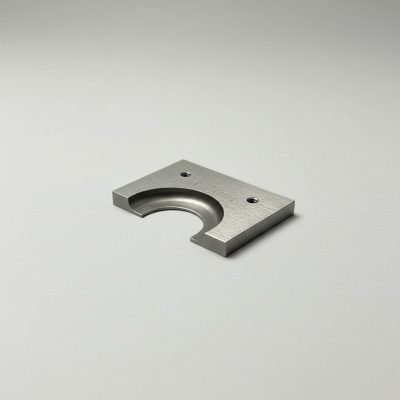
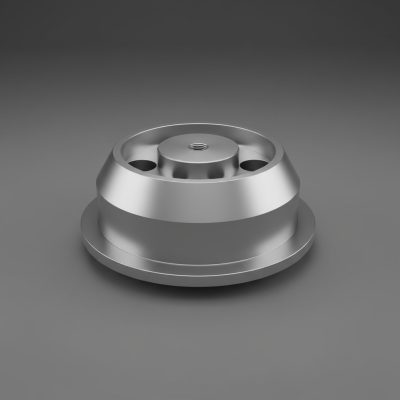
A selection of components we’ve manufactured for customers across a range of industries, showcasing the scope, accuracy and quality of our machining.

Frequently Asked Questions